If you are in the construction, mining, or heavy industrial sector, you have likely come across the acronym OTR. While it might sound like just another industry buzzword, understanding what OTR tires are—and why they differ from standard truck tires—is crucial for your project’s efficiency and your bottom line.
In this guide, we’ll break down everything you need to know about OTR tires, from their basic definition to the specific environments where they thrive.
The Basics: Defining OTR
OTR stands for Off-The-Road.
As the name suggests, these tires are specifically engineered for vehicles that spend the vast majority of their time away from paved highways. We aren’t talking about a gravel driveway or a dirt path; we are talking about the most punishing terrains on the planet: jagged rock quarries, deep mud in construction sites, and the scorching sands of desert mining operations.
While a standard truck tire is designed for high-speed stability and fuel economy on asphalt, an OTR tire is built for durability, traction, and massive load-bearing capacity.
Where Do You Find OTR Tires?
You won’t see these tires on a typical semi-truck at a gas station. OTR tires are the “muscles” behind the world’s heaviest machinery. Some common applications include:
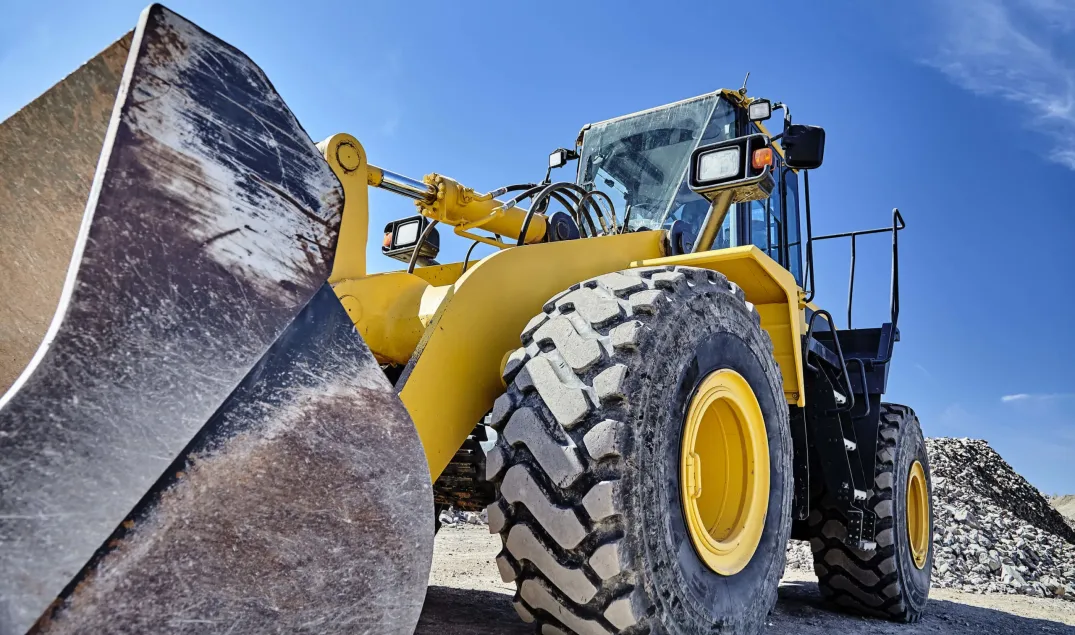
Construction: Wheel loaders, backhoes, graders, and trenchers.
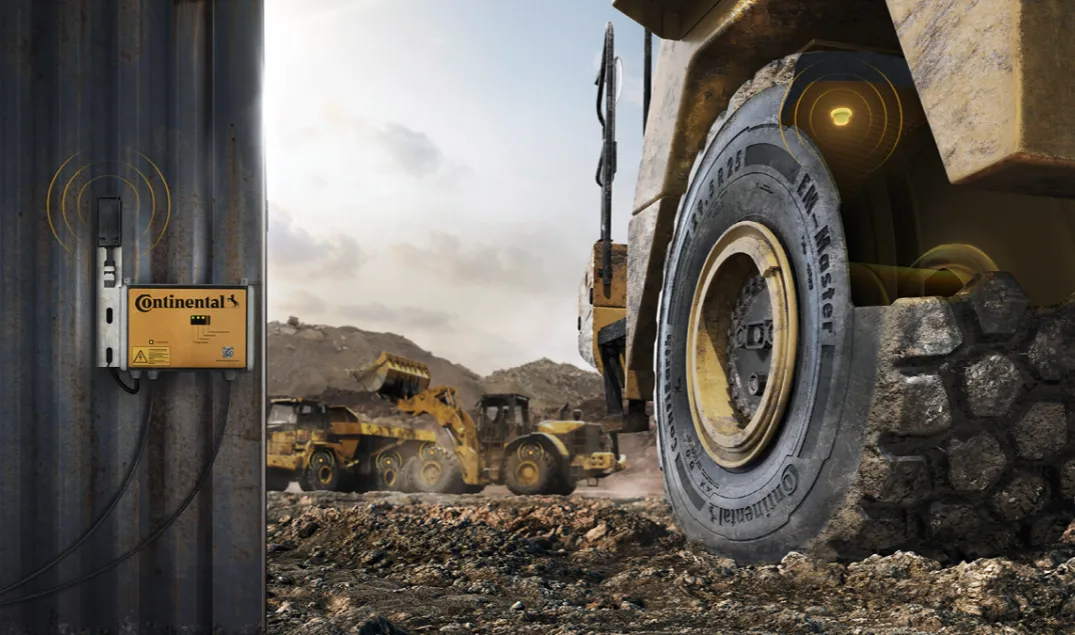
Mining & Quarrying: Rigid dump trucks (the giants of the industry) and articulated dump trucks.
Port & Material Handling: Container handlers and reach stackers.
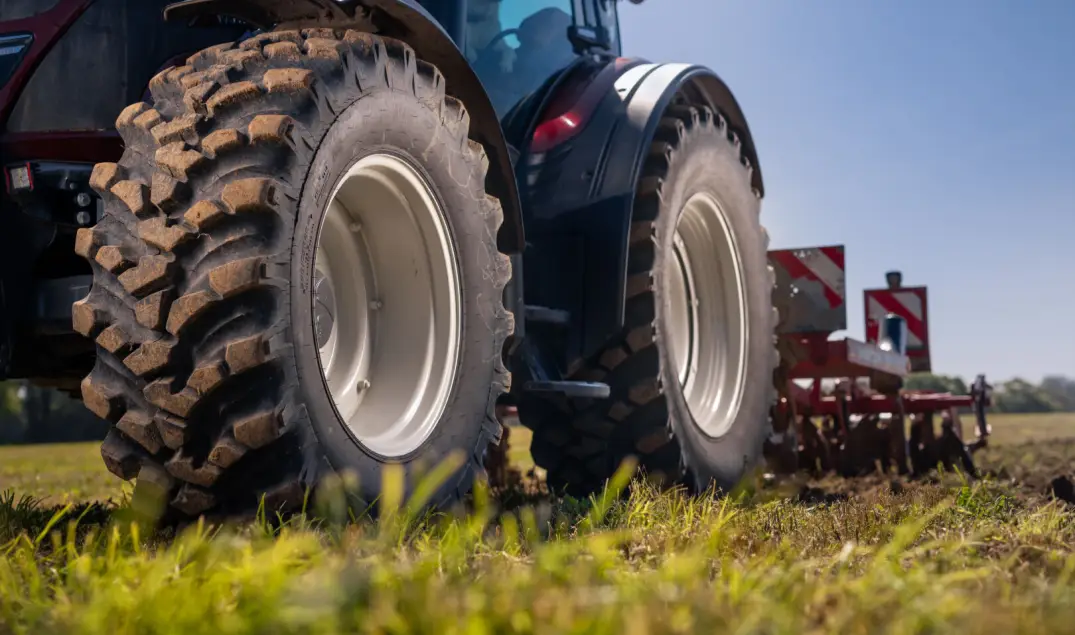
Agriculture: High-horsepower tractors and harvesters (though these are sometimes categorized separately as AG tires).
Without the specialized rubber compound and reinforced casing of an OTR tire, these machines would simply sink, slip, or suffer immediate punctures in rugged environments.
Key Characteristics of OTR Tires
What makes an OTR tire “tough”? It’s not just about size—it’s about the engineering hidden inside the rubber.
1. Specialized Rubber Compounds
Standard tires use a general-purpose rubber. OTR tires, however, use specific chemical “recipes” depending on their job. Some are cut-resistant for sharp rocky terrains, while others are heat-resistant for long-haul mining runs where internal friction can cause a tire to disintegrate.
2. Multi-Layered Casing
The internal structure (the carcass) of an OTR tire is reinforced with heavy-duty steel belts or nylon plies. This allows the tire to support weights that would crush a normal vehicle—sometimes upwards of 50 to 100 tons per tire.
3. Aggressive Tread Designs
If you look at an OTR tire, the tread patterns look more like tractor claws than car tires. These deep grooves (often measured in 32nds of an inch or millimeters) are designed to self-clean—ejecting mud and stones so the tire can maintain constant grip.
Understanding OTR Classifications (The E, L, and G Codes)
The industry uses a standardized coding system (often defined by TRA – Tire and Rim Association) to help buyers choose the right tire for the right machine. Understanding these codes is the “secret sauce” to making a smart purchase.
| Code | Application | Best For… |
| E (Earthmoving) | Transporting loads at higher speeds | Mining dump trucks and scrapers |
| L (Loader/Dozer) | Low speed, high torque, heavy lifting | Front-end loaders and bulldozers |
| G (Grader) | Precise leveling and traction | Motor graders used for road prep |
Within these categories, you’ll also see numbers (e.g., E-3, L-5). The higher the number, the deeper the tread. An L-5 tire, for instance, has an extra-deep tread for maximum puncture resistance in rock, while an L-2 is designed for better traction in sand or soft soil.
Radial vs. Bias: Which One Should You Choose?
This is one of the most common questions we get from our clients. The “best” choice depends entirely on your budget and your site conditions.
Radial OTR Tires: These have steel belts that run at 90 degrees to the centerline. They offer better heat dissipation and a smoother ride. If your machines are traveling long distances (like a haul truck), Radial is the way to go.
Bias OTR Tires: These have overlapping nylon plies. They have stiffer sidewalls, which makes them excellent for stability in “load and carry” operations. They are generally more affordable and easier to repair in remote areas.
Why Choosing the Right OTR Partner Matters
As a dedicated OTR tire trading company, we know that these tires represent a significant investment. A single mining tire can cost as much as a luxury sedan. That is why “buying cheap” can often be the most expensive mistake a company makes.
When selecting OTR tires, you need to consider the TKPH (Tonne-Kilometers Per Hour)—a formula that calculates the workload a tire can handle without overheating. Choosing a tire with the wrong TKPH rating can lead to premature failure, downtime, and safety risks.
Maintenance: Extending the Life of Your OTR Tires
You wouldn’t buy a million-dollar machine and skip the oil change. The same logic applies to OTR tires. To get the best ROI, follow these three rules:
Monitor Inflation Pressure: Under-inflation is the #1 killer of OTR tires. It causes excessive sidewall flexing and heat buildup.
Regular Inspections: Check for deep cuts, “chunking” (where pieces of rubber break off), and embedded stones daily.
Manage Site Conditions: Keeping haul roads clear of large, sharp debris can double the lifespan of your tires.
So, what does OTR mean in tires? It means power, durability, and specialized engineering. It represents the difference between a project that stays on schedule and one that grinds to a halt due to equipment failure.
Whether you are looking for E-4 rock lugs for a copper mine or G-2 traction tires for a road project, understanding these fundamentals ensures you are making an informed decision.
Need help selecting the perfect OTR tire for your specific application? Our team specializes in sourcing high-quality, high-performance OTR solutions for global markets. Contact us today for a consultation or a quote!