A Comprehensive Guide to OTR Tires in Engineering and Mining
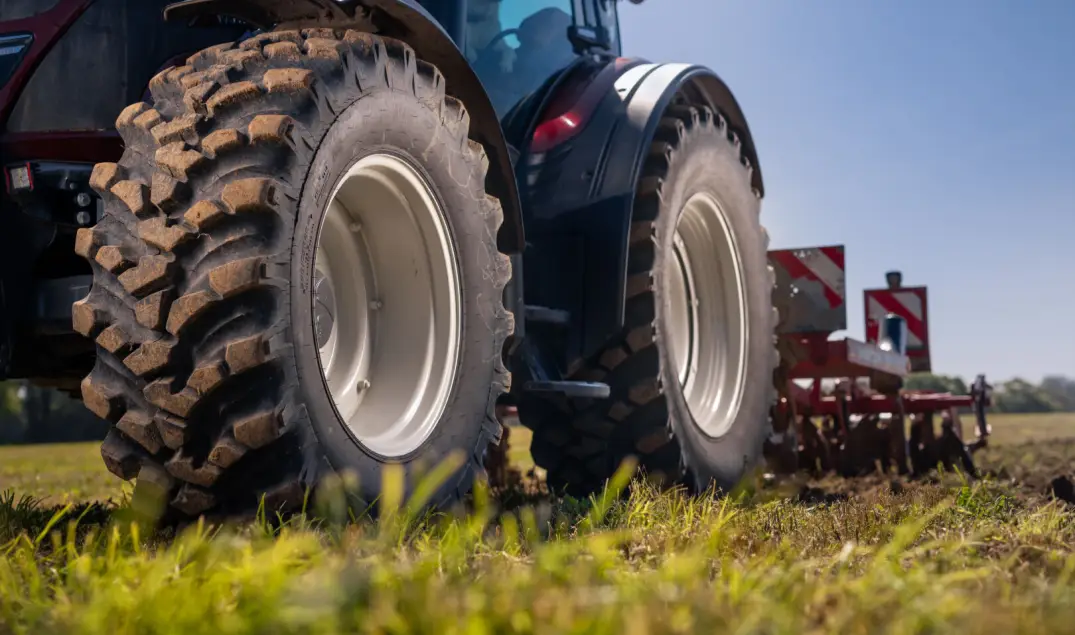
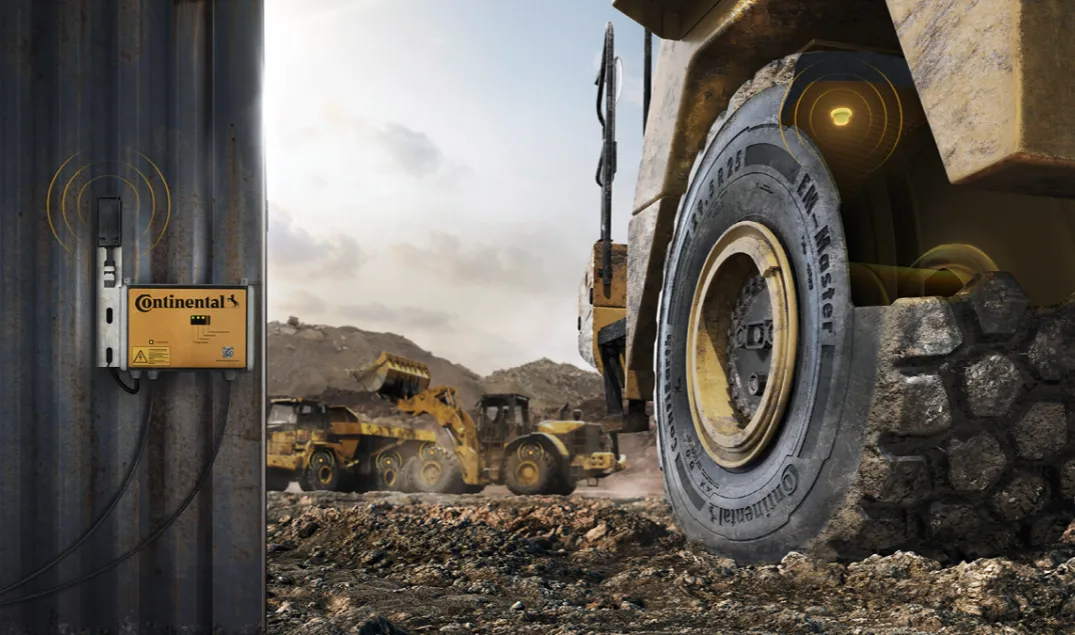
In the world of heavy industries—mining, construction, and infrastructure—the efficiency of an entire project often rests on the durability of a few square inches of rubber. Off-the-Road (OTR) tires are not just components; they are the essential foundation for vehicles that move the world’s most massive loads across the harshest terrains. With over 30 years of expertise in the engineering tire export industry, we have seen how the right tire choice can significantly reduce operational costs and maximize uptime. What Makes OTR Tires Different? Unlike standard commercial tires, OTR tires are engineered to withstand extreme conditions that would destroy ordinary rubber. They are built to handle: Immense Load Capacities: Carrying hundreds of tons of earth, rock, or minerals. Puncture Resistance: Specialized tread compounds to resist sharp rocks and debris. Extreme Heat and Cold: Maintaining structural integrity in desert mines or arctic construction sites. Key Applications in the Engineering Sector 1. Surface and Underground Mining Mining is perhaps the most demanding environment for any tire. Whether it’s an Articulated Dump Truck or a Giant Rigid Haul Truck, tires must endure high-cycle operations on abrasive surfaces. The Benefit: High-quality mining tires utilize “cut-resistant” compounds to prevent sidewall damage, ensuring that the extraction
Read MoreMastering the Deep Pit: A Guide to Selecting the Right Mining Tires
In the mining industry, tires are not just rubber; they are the foundation of your production cycle. Whether it’s an open-pit copper mine or an underground gold operation, a single tire failure can halt a multi-million dollar haul truck and disrupt your entire supply chain. Because the stakes are so high, selecting a mining tire requires a much deeper analysis than simply matching a size. It’s about balancing heat, cut resistance, and load capacity. 1. Surface Mining vs. Underground Mining: Different Beasts The first step in selection is defining the environment. The tires for a 400-ton rigid dump truck are fundamentally different from those on a low-profile underground loader. Surface Mining: These tires (often massive, such as 59/80R63) deal with long haul distances and high speeds. The primary enemy here is Heat. Underground Mining: Space is tight, and the ground is often littered with sharp, blasted rock. These tires are usually smaller but have extremely thick sidewalls and deep treads (L-5 or L-5S) to combat Cuts and Punctures. 2. The Golden Rule: TKPH (Tonne-Kilometers Per Hour) In mining, the most critical metric for tire selection is TKPH. It measures the work capacity of a tire based on the weight it
Read More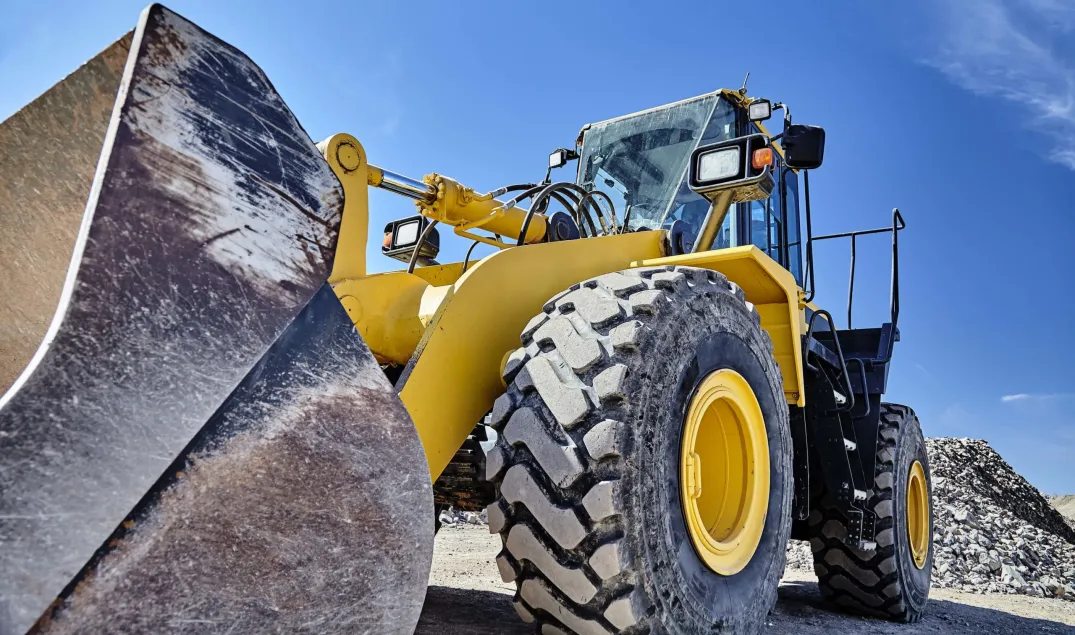
What Does OTR Mean in Tires? A Comprehensive Guide for Equipment Owners
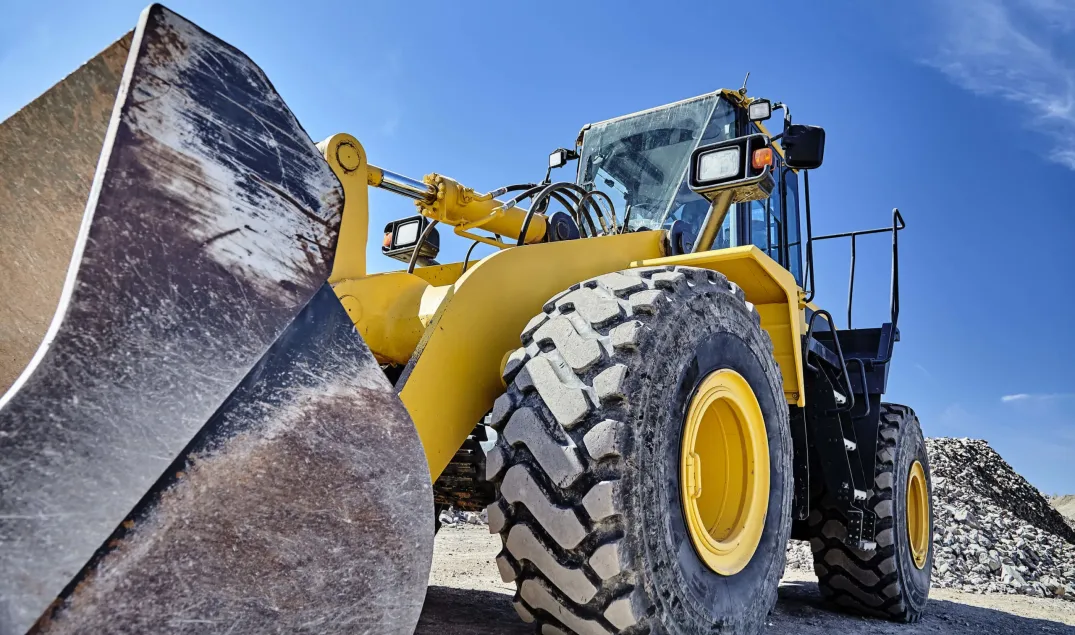
If you are in the construction, mining, or heavy industrial sector, you have likely come across the acronym OTR. While it might sound like just another industry buzzword, understanding what OTR tires are—and why they differ from standard truck tires—is crucial for your project’s efficiency and your bottom line. In this guide, we’ll break down everything you need to know about OTR tires, from their basic definition to the specific environments where they thrive. The Basics: Defining OTR OTR stands for Off-The-Road. As the name suggests, these tires are specifically engineered for vehicles that spend the vast majority of their time away from paved highways. We aren’t talking about a gravel driveway or a dirt path; we are talking about the most punishing terrains on the planet: jagged rock quarries, deep mud in construction sites, and the scorching sands of desert mining operations. While a standard truck tire is designed for high-speed stability and fuel economy on asphalt, an OTR tire is built for durability, traction, and massive load-bearing capacity. Where Do You Find OTR Tires? You won’t see these tires on a typical semi-truck at a gas station. OTR tires are the “muscles” behind the world’s heaviest machinery. Some
Read More